Exploring the Impact of Public Transportation on Neighborhoods
Public transportation is a vital aspect of urban planning and neighborhood development. It often determines the accessibility, economic vitality, and overall livability of communities. In this article, we will explore how public transportation influences neighborhoods, supported by research and expert insights.
Understanding the Basics of Public Transportation
Public transportation systems, including buses, trains, and subways, serve as crucial connectors within and between neighborhoods. According to a report by the American Public Transportation Association (APTA), regions with robust public transit options often experience enhanced economic growth and lower traffic congestion. This occurs because public transport allows residents to access jobs, education, and services more easily, fostering a sense of community and reducing reliance on personal vehicles.
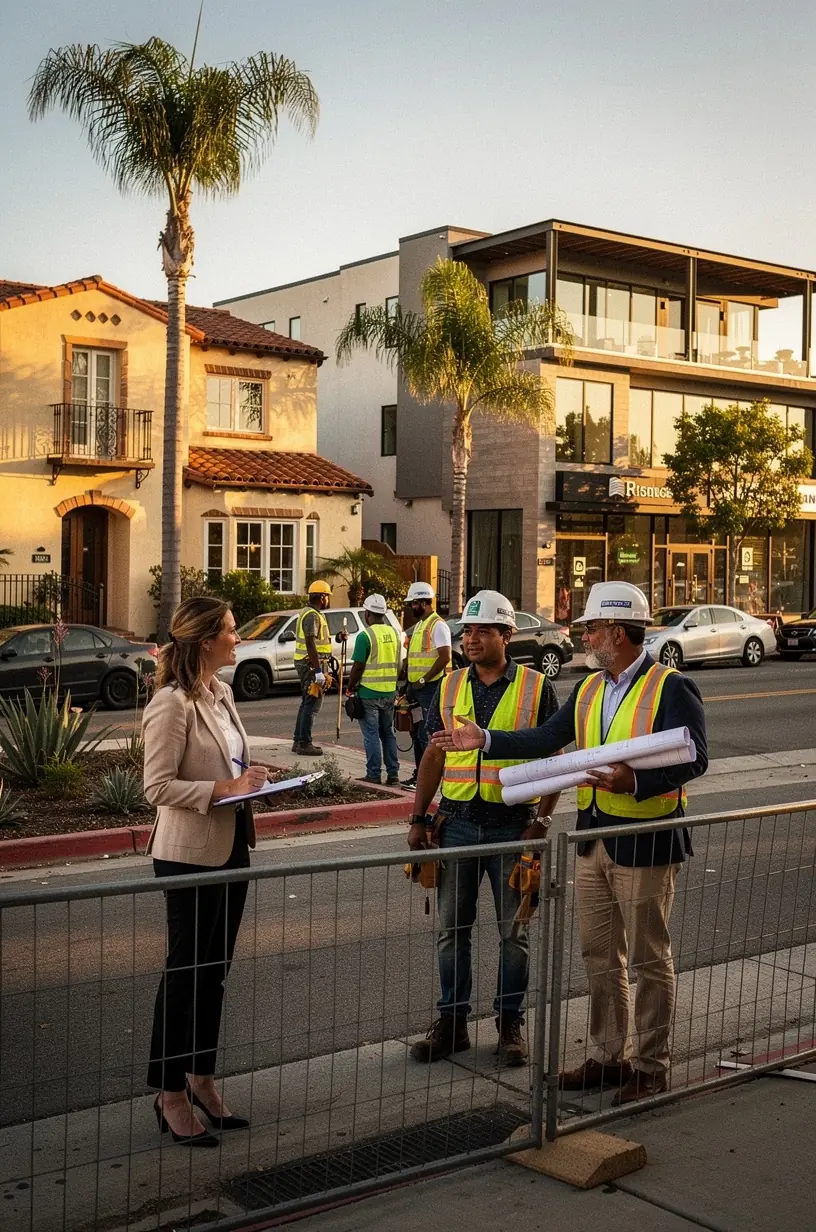
"Communities with efficient public transportation see a reduction in traffic and improved quality of life for residents." – Urban Planning Expert
Economic Impacts on Neighborhoods
One of the most significant effects of public transportation is its impact on local economies. Research conducted by the Victoria Transport Policy Institute has shown that improved public transit access can increase local property values by up to 20%. This is particularly true in urban areas where proximity to transit stations often attracts businesses and residents alike.
Benefits for Local Businesses
Local businesses benefit from increased foot traffic and a broader customer base. For instance, studies indicate that restaurants and retail shops located near transit stops can see a substantial increase in sales, as many commuters stop to shop or dine before or after their journey.
Social Connectivity and Community Development
Public transportation also plays a crucial role in promoting social equity. Many low-income families rely on transit systems to access essential services, such as healthcare and education. A study by the Transportation Research Board found that effective public transportation can reduce social isolation by connecting diverse neighborhoods and providing access to community resources.
Environmental Considerations
From an environmental perspective, public transportation reduces the carbon footprint of urban areas. According to the Environmental Protection Agency (EPA), public transit produces, on average, 45% less carbon dioxide per mile than private vehicles. This decrease in emissions contributes to improved air quality, which is essential for public health and environmental sustainability.
Challenges and Limitations
While public transportation offers numerous benefits, it is not without its challenges. Many transit systems face funding issues, leading to service cuts and reduced reliability. Furthermore, in some cases, public transportation may not adequately serve suburban or rural areas, which can limit accessibility for those populations. Effective planning and investment are required to address these challenges and ensure equitable access to transportation options.
Conclusion
In summary, public transportation significantly impacts neighborhoods by enhancing economic vitality, promoting social connectivity, and addressing environmental challenges. While it is not a one-size-fits-all solution and requires ongoing investment and planning, its benefits can lead to thriving, accessible communities. Understanding these dynamics is crucial for residents and policymakers alike to foster sustainable urban development.