Understanding the Importance of Urban Green Spaces
Urban green spaces are essential components of city life, providing various benefits that enhance the quality of living for residents. This article explores the importance of these spaces, supported by research and expert recommendations.
What Are Urban Green Spaces?
Urban green spaces typically refer to parks, gardens, green roofs, and any vegetated area within urban environments. According to the World Health Organization, access to green spaces is vital for physical and mental well-being. These areas not only contribute to biodiversity but also improve air quality and reduce heat in cities.
"Research indicates that urban green spaces can enhance mental health, reducing stress and anxiety levels among city dwellers."
The Benefits of Urban Green Spaces
Studies show that the benefits of urban green spaces can be categorized into three primary areas:
- Environmental Benefits: Green spaces help mitigate urban heat islands, manage stormwater, and support local wildlife. Implementing more vegetation can typically lower city temperatures by 1-5 degrees Celsius, according to environmental studies.
- Health Benefits: Exposure to nature has been proven to decrease stress levels and improve overall mental health. Experts recommend incorporating green spaces within a 10-minute walk of residential areas to maximize these health benefits.
- Social Benefits: Parks and green areas serve as community hubs, encouraging social interaction and promoting a sense of belonging. Many cities report improved community cohesion and reduced crime rates in neighborhoods with accessible green spaces.
Practical Steps to Enhance Urban Green Spaces
Improving urban green spaces often involves community engagement and strategic planning. Here are some actionable insights:
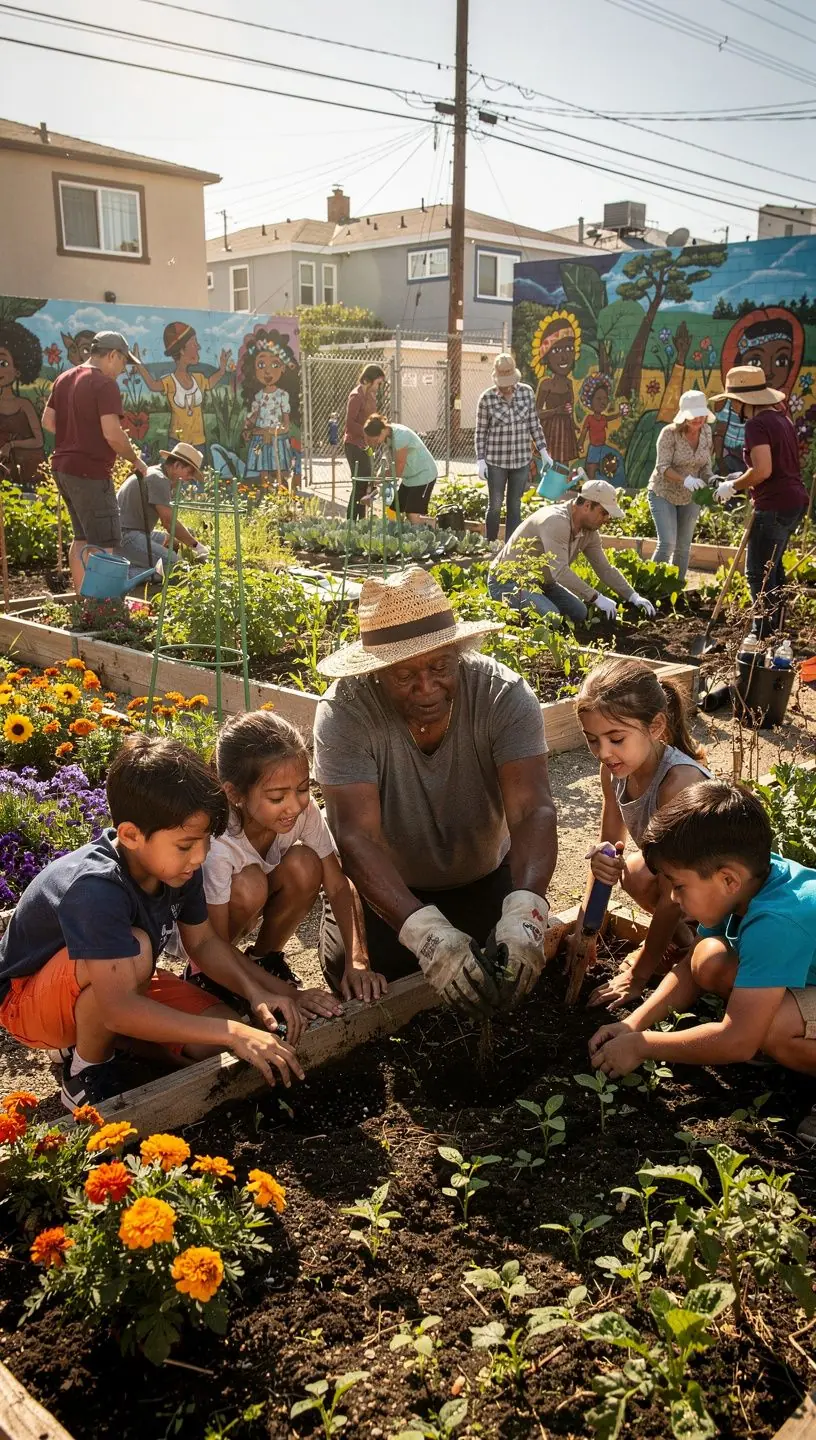
- Community Involvement: Engage local residents in planning and maintaining green spaces. This process typically requires dedication and participation from the community but can foster a sense of ownership.
- Strategic Planning: Urban planners should consider the ecological and social needs of neighborhoods. This might involve conducting surveys to understand what green features community members desire.
- Regular Maintenance: Developing a maintenance plan is essential to ensure the longevity and usability of green spaces. Many experts suggest that routine assessments and community clean-up events can significantly enhance the quality of these areas.
Conclusion
Urban green spaces play a crucial role in enhancing the livability of cities. By acknowledging their importance and implementing effective strategies, communities can improve environmental, health, and social outcomes for residents. While creating and maintaining these spaces may require time and effort, the long-term benefits often justify the investment.