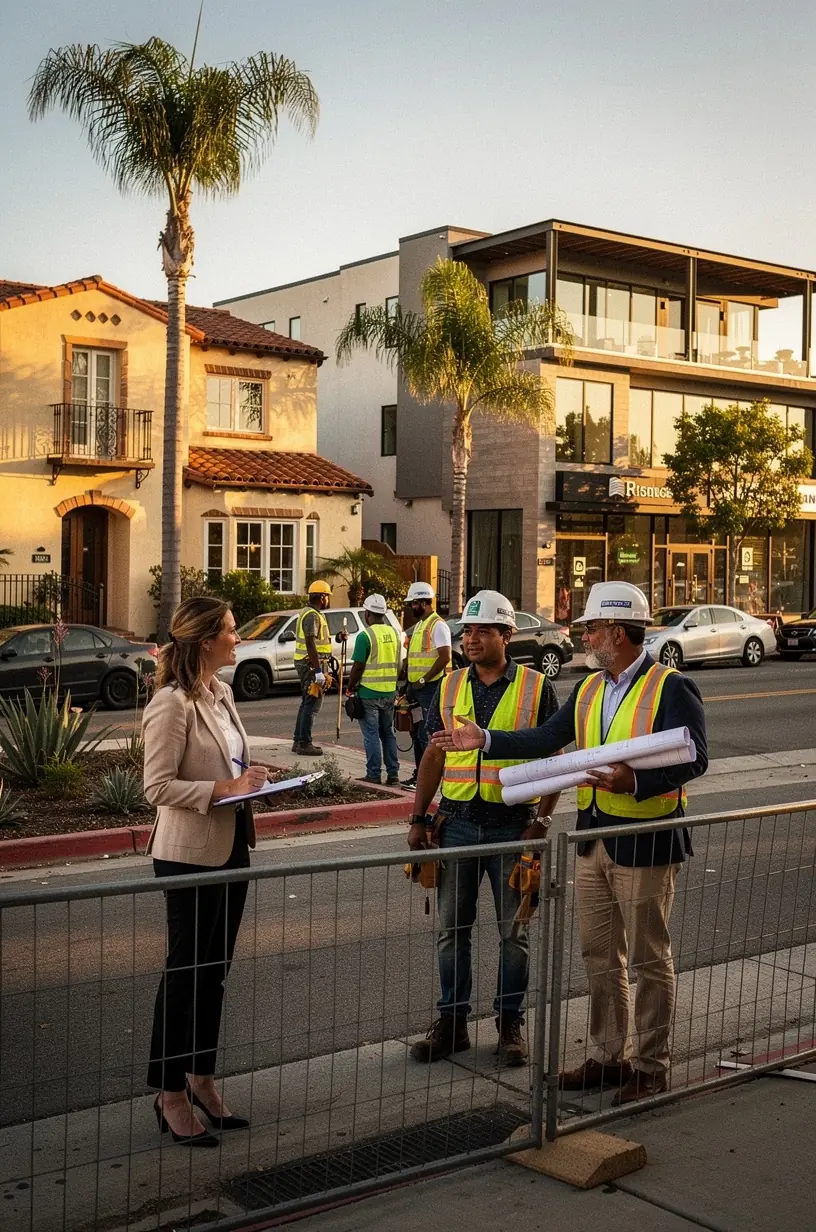
Understanding the Role of Neighborhood Associations in Development
In recent years, neighborhood associations have emerged as crucial players in local development. By engaging residents, advocating for community interests, and fostering collaboration, these associations can significantly influence their surroundings. In this article, we will explore the role of neighborhood associations in development, how they operate, and the potential impacts they can have on their communities.
Understanding the Basics
Neighborhood associations are typically formed to represent the interests of local residents. According to research from the National Association of Realtors, these groups often aim to enhance their neighborhoods through better planning, community engagement, and local projects. Experts recommend that residents actively participate in these associations to ensure their voices are heard in community decisions.

"Neighborhood associations can serve as a bridge between residents and local government, fostering communication and collaboration."
The Importance of Community Engagement
One of the primary functions of neighborhood associations is to engage the community in local development. This involvement typically includes:
- Organizing Events: Many associations host community meetings, workshops, and social events to encourage participation and gather feedback.
- Advocating for Resources: Associations often lobby for resources or improvements, such as parks, sidewalks, and public amenities. Research indicates that neighborhoods with active associations tend to receive more funding for local projects.
- Fostering Relationships: By connecting residents with local government officials and developers, these associations help build partnerships that can lead to effective solutions for community issues.
How Neighborhood Associations Influence Development
Neighborhood associations play a critical role in shaping local development initiatives. Their influence can manifest in several ways:
- Input on Zoning Changes: Many associations provide input on zoning changes and land use proposals. Research shows that community feedback can significantly impact development projects, ensuring they align with residents' needs.
- Community Planning: Associations often collaborate with city planners to develop long-term strategies that reflect the community's vision and priorities. This collaboration has been shown to lead to more sustainable and desirable development outcomes.
- Monitoring Development Projects: Active associations can monitor the progress and compliance of development projects, ensuring that developers adhere to community standards and commitments.
Acknowledging Limitations and Challenges
While neighborhood associations can be effective, they also face limitations. Engaging the community typically requires a significant time commitment from volunteers, and achieving consensus among diverse residents can be challenging. Moreover, associations may struggle with reaching out to all community members, especially in diverse neighborhoods.
Conclusion
Neighborhood associations play a pivotal role in local development by fostering community engagement, advocating for resources, and influencing planning decisions. While challenges exist, the benefits of active participation in these organizations can lead to positive outcomes for residents. By understanding the role and function of neighborhood associations, residents can better navigate their community's development landscape and contribute to shaping their neighborhoods effectively.